
The Car Wash Industry in 2026: 5 Strategies Separating Winners from Everyone Else
The car wash industry entered 2026 with strong momentum — but also real pressure. Demand remains high, customers are washing more frequently, and subscription memberships are reshaping how operators build predictable revenue. At the same time, rising operating costs, market saturation, and increased competition are forcing operators to run smarter businesses than ever before.
The operators pulling ahead today aren’t necessarily the biggest. They’re the ones adapting faster.
According to industry reports, the U.S. car wash market now generates between $15 billion and $20+ billion annually, depending on whether gas station and dealership washes are included. Professional car washing has become the norm, with roughly 80% of drivers choosing professional washes instead of washing at home.
But growth alone doesn’t guarantee profitability.
Margins vary widely based on format, location, throughput, and operational efficiency. Smaller operations may net around $40,000 annually, while high-performing express tunnels can exceed $500,000 in yearly profit. In 2026, the difference often comes down to execution.
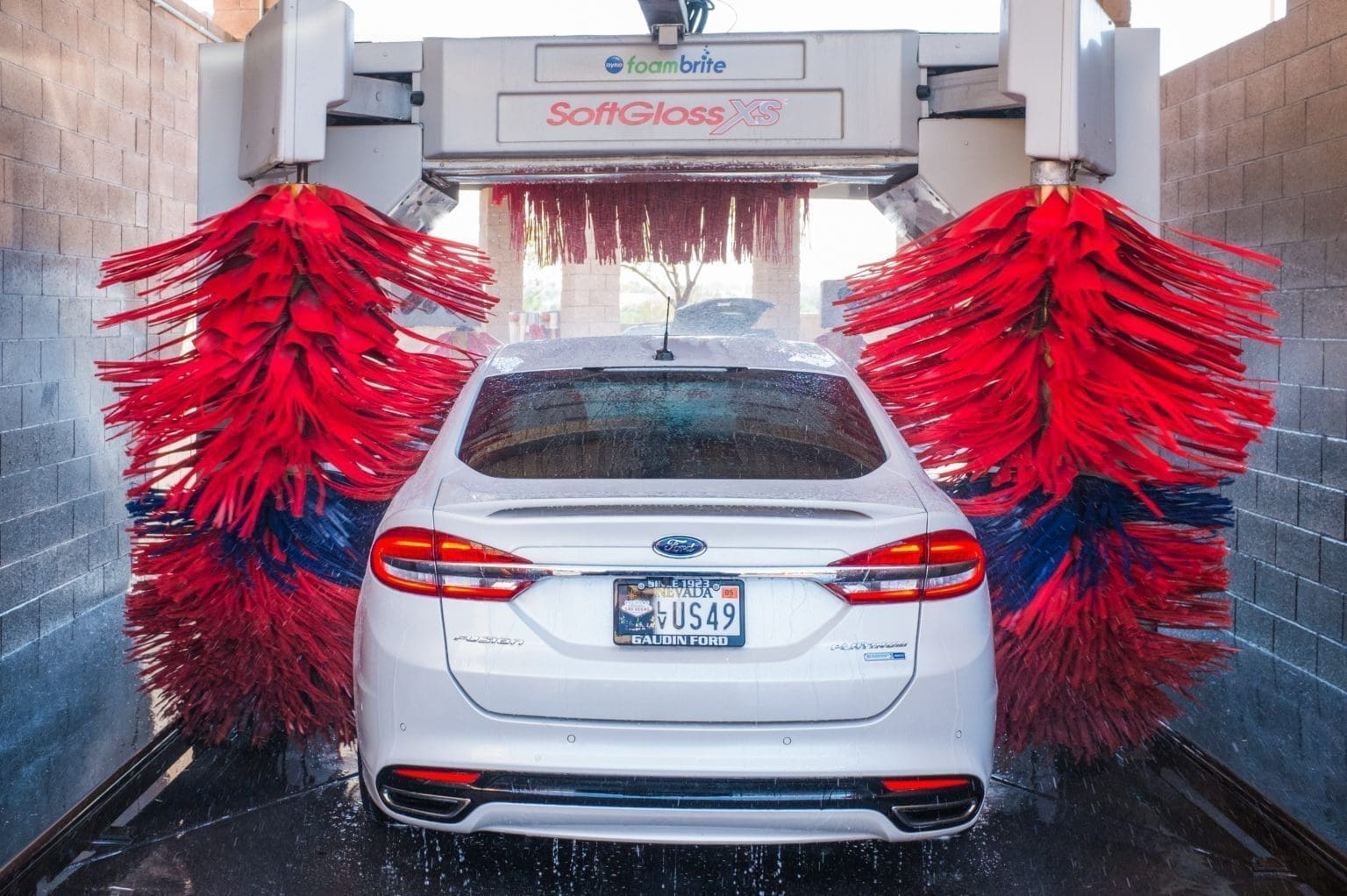
Here are five strategies thriving operators are using right now to stay competitive and grow.
1. Prioritize Water and Energy Efficiency
Water and electricity remain two of the largest operating expenses for most washes, accounting for roughly 15–20% of total costs. That makes efficiency upgrades one of the highest-impact investments operators can make.
Traditional automated washes can use around 43 gallons of water per vehicle. Modern reclaim systems can cut usage dramatically, with some reducing overall water consumption by 60–80%. Even basic recycling systems can lower water use by roughly 35% per wash.
2. Invest in Technology That Improves Operations
Technology spending is everywhere in the car wash industry, but not all of it delivers real returns. The operators seeing the biggest gains are investing in tools that improve speed, reduce friction, and lower operational risk. License plate recognition (LPR) systems are a strong example, allowing members to be identified with approximately 98% accuracy while reducing line delays and creating a smoother entry experience.
Other operators are adopting computer vision systems that document pre-existing vehicle damage before a wash begins, helping reduce fraudulent claims and lower insurance costs. Predictive maintenance tools are also becoming more common, allowing operators to identify equipment issues before they lead to costly downtime. The key is simple: invest in technology that improves throughput, protects margins, or enhances the customer experience.
3. Membership Programs Are No Longer Optional
Memberships have become the foundation of financial stability in the modern car wash business. Operators with strong membership programs consistently outperform sites that rely heavily on retail traffic because recurring revenue creates more predictable cash flow, stronger customer retention, and better long-term planning.
The revenue difference is substantial. Industry data shows an active member can generate more than four times the revenue of a traditional retail customer over a three-year period, while membership revenue tends to remain steady even during economic slowdowns. That consistency improves everything from staffing and marketing to expansion planning and equipment investment. In 2026, membership programs are no longer a bonus feature — they’re one of the clearest indicators of long-term business health.
4. Increase Throughput Without Increasing Fixed Costs
One of the biggest advantages in the car wash business is operational leverage. Your rent, insurance, and many labor costs stay relatively fixed regardless of how many vehicles you wash, meaning every additional car lowers your effective cost per wash. For example, if fixed costs total $10,000 monthly and you wash 1,000 cars, your fixed cost per vehicle is $10. Increase volume to 1,500 cars and that drops to roughly $6.67 per wash.
Small operational improvements can create major financial impact. Reducing average cycle time by even 60 seconds can significantly increase hourly throughput, and modern express tunnels can process well over 100 cars per hour when optimized correctly. That’s why leading operators focus heavily on traffic flow, loading efficiency, staffing consistency, and faster entry systems — all with the goal of moving more cars through the same infrastructure without sacrificing quality.
5. Improve the Entire Customer Experience
In crowded markets, customer experience is one of the few true differentiators competitors can’t easily copy. Customers notice everything — not just wash quality. Mobile payments, fast check-in, loyalty rewards, comfortable waiting areas, and easy membership management all shape how customers perceive your operation.
One area many operators still overlook is the exit experience. Adding simple, high-value amenities like professional tire inflation machines gives customers one more reason to choose your wash over another nearby option. After cleaning their vehicle, customers appreciate the ability to quickly top off tire pressure before getting back on the road. Those small convenience touches help build habits — and habits build long-term customers.
Final Takeaway
The car wash industry remains strong in 2026, but competition is sharper than ever. Operators focused on operational efficiency, recurring membership revenue, smart technology, higher throughput, and stronger customer experiences are building businesses designed to last.
The industry is still growing. The question is who will grow with it.